Latest News
Britain is expected to rely even more heavily on natural gas imports this winter.
Oil prices climbed as escalating attacks on Saudi Arabia heightened fears of Middle East supply disruptions.
The physical prices of some Middle East crudes sold outside the Persian Gulf have dropped.
SLB, formerly known as Schlumberger, is seen as a bellwether for oil and gas companies.
The global average crude freight rate surged above $20 per barrel, from $3 per barrel a year ago, analysts at Goldman Sachs said.
The price of Brent crude oil reached $114 per barrel intraday on Friday.
Brent climbed above $113 amid Saudi attacks and renewed Iran tensions, while global diesel supplies remained tight.
The kingdom is on alert after a flurry of attacks from Yemen's Houthis in recent weeks.
Mahmoud Mashal, Senior Market Analyst at VT Markets Dubai, highlighted that both WTI and Brent oil prices were rising intraday 'as escalating tensions in the Middle East revived concerns over Gulf sup...
UK union Unite welcomed the UK government's decision to green light the Jackdaw gas field.
A deadly Saudi oil field attack and Gulf embassy concerns pushed crude prices higher.
What direction will the U.S. Henry Hub natural gas spot price take in 2026 and 2027?
UK Energy Secretary Miatta Fahnbulleh has greenlit the Jackdaw gas field.
Oil retreated from five-month highs amid uncertain Iran negotiations and volatile trading.
Why is the West Texas Intermediate oil price rising more than Brent today?
Brent remained near $110 as technical resistance limited gains despite escalating geopolitical risks.
North America dropped five rigs week on week, according to Baker Hughes' latest North America rotary rig count.
The U.S. Energy Information Administration tightened its oil crunch prediction for 2026 in its latest short term energy outlook.
Venezuela expects almost $76 billion of investment in its oil and gas sector over the next five years, Acting President Delcy Rodriguez said Saturday.
What will happen to the Brent oil price over the next few quarters?
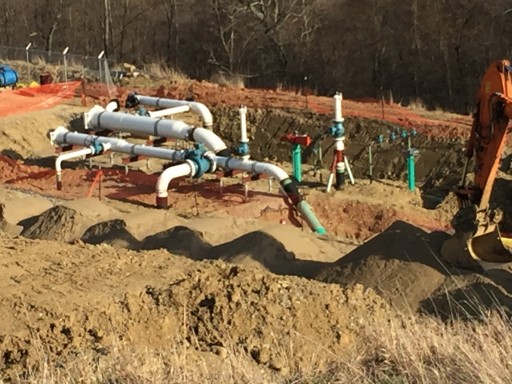
You can choose to embrace it or ignore it. You can choose to pretend it does not apply to you. But the one thing you likely will not be able to do is work as a pipeline inspector without it after 2018. What is it you ask? It is the American Petroleum Institute Pipeline Inspector Certification; better known as the API 1169. Possibly a thorn in the side for many inspectors but for the industry it is a sure step forward in the right direction; joining the other sectors of oil & gas.
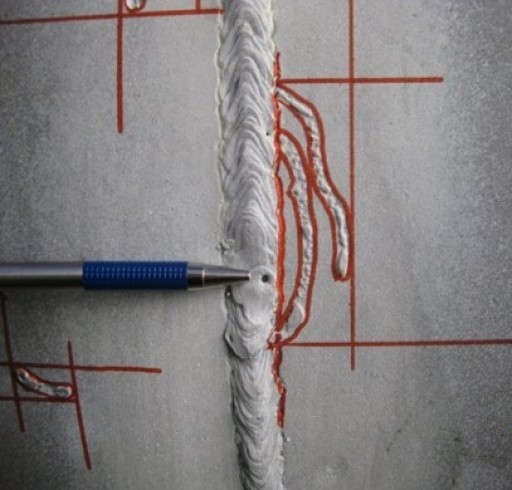
Questions surround the API 1169 exam requirements, purpose, and what individuals need to do in order to properly prepare for the certification that will likely keep them employed in their careers. Training options have been multiplying as the popularity of the API 1169 has hit the mainstream. Inspectors should perform their research and due diligence to adequately make an informed choice when it comes to the training course they attend.